Cylinder Liner & Precision Casting Manufacturer in India

IATF 16949 certified castings and CNC machined components for automotive, aerospace and oil & gas OEMs in 50+ countries

View the brochures

Download Brochures

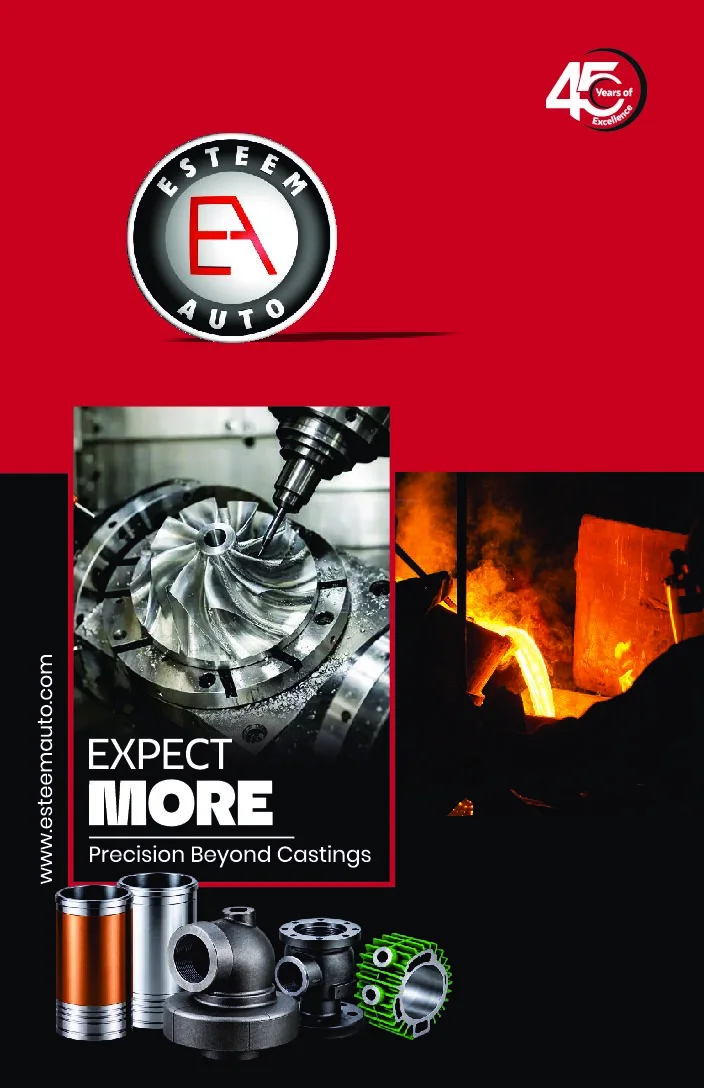
Esteem Auto 2026 brochure cover - Expect More, Precision Beyond Castings
“We would love to speak with you! Feel free to reach out with any questions.”

Think Big! Get Practical Experience


“Our professionals in engineering metallurgy, machining, casting, and management can provide you with the guidance and data you seek for your particular casting projects.”

Cylinder Liner Manufacturer, Supplier and Exporter in India

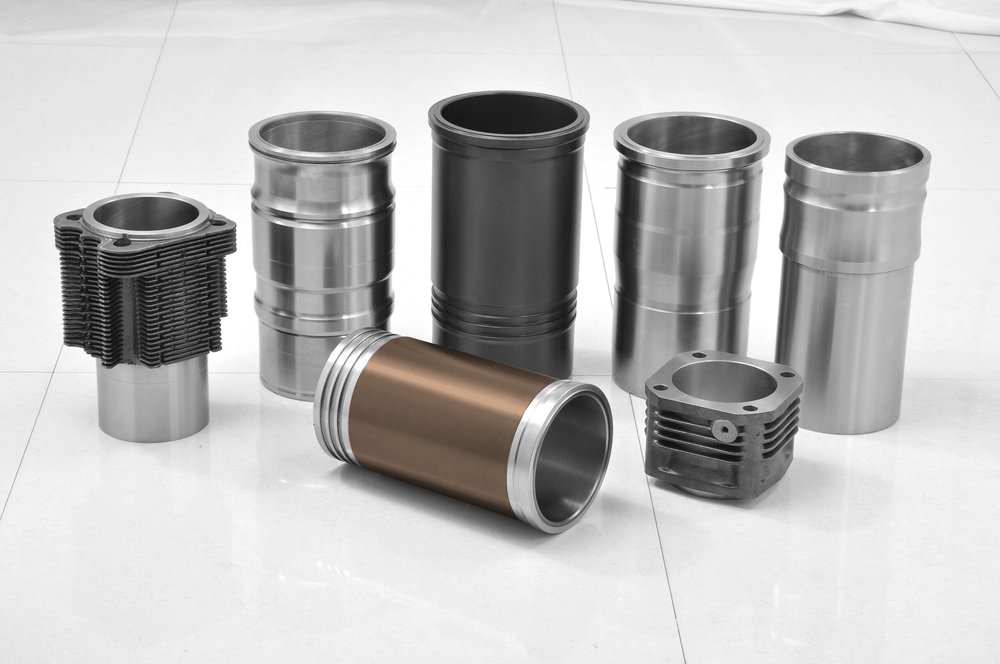
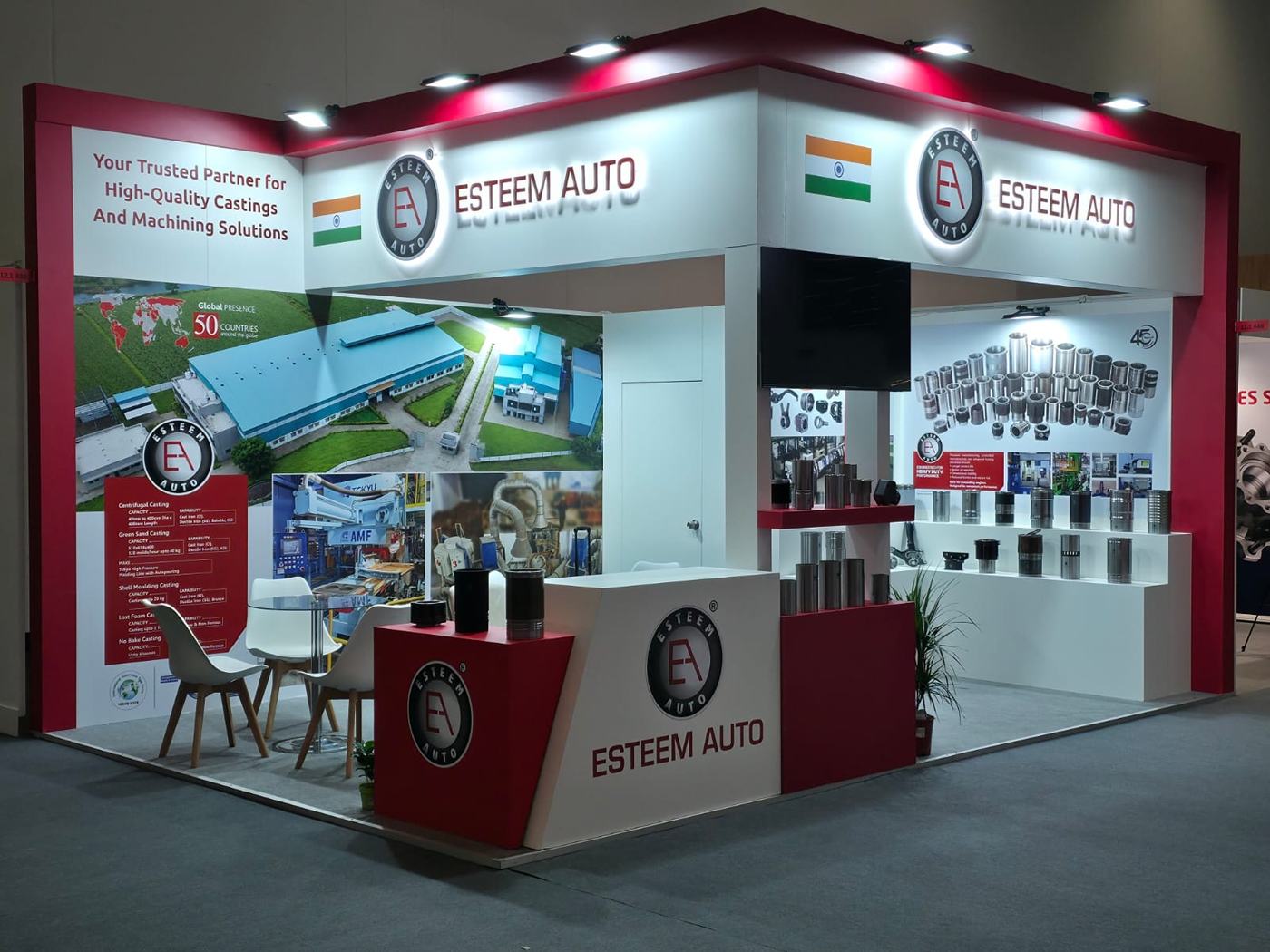
Esteem Auto Limited has been a cylinder liner manufacturer in Rajkot since 1980, supplying engine cylinder liners, cylinder sleeves, air and water cooled blocks, and custom castings to customer drawings. We ship from our plant at Metoda GIDC, Gujarat, and hold a North American office at Princeton Junction, New Jersey — so buyers in the US work with someone in their own time zone.

Who We Supply

We are a B2B casting manufacturer working with four kinds of buyer, and the commercial terms differ for each:

  • Engine OEMs taking series production against a drawing and a PPAP-style approval route
  • Aftermarket and replacement distributors buying wet and dry cylinder liners and cylinder sleeves by engine model, in repeat container quantities
  • Contract and OEM casting customers who need a part made to their design under their brand
  • Industrial and machinery builders sourcing grey iron, ductile iron, steel and non-ferrous castings

We do not sell to end users. Every enquiry is quoted as a business supply.

Grey Iron Casting to a Named Standard

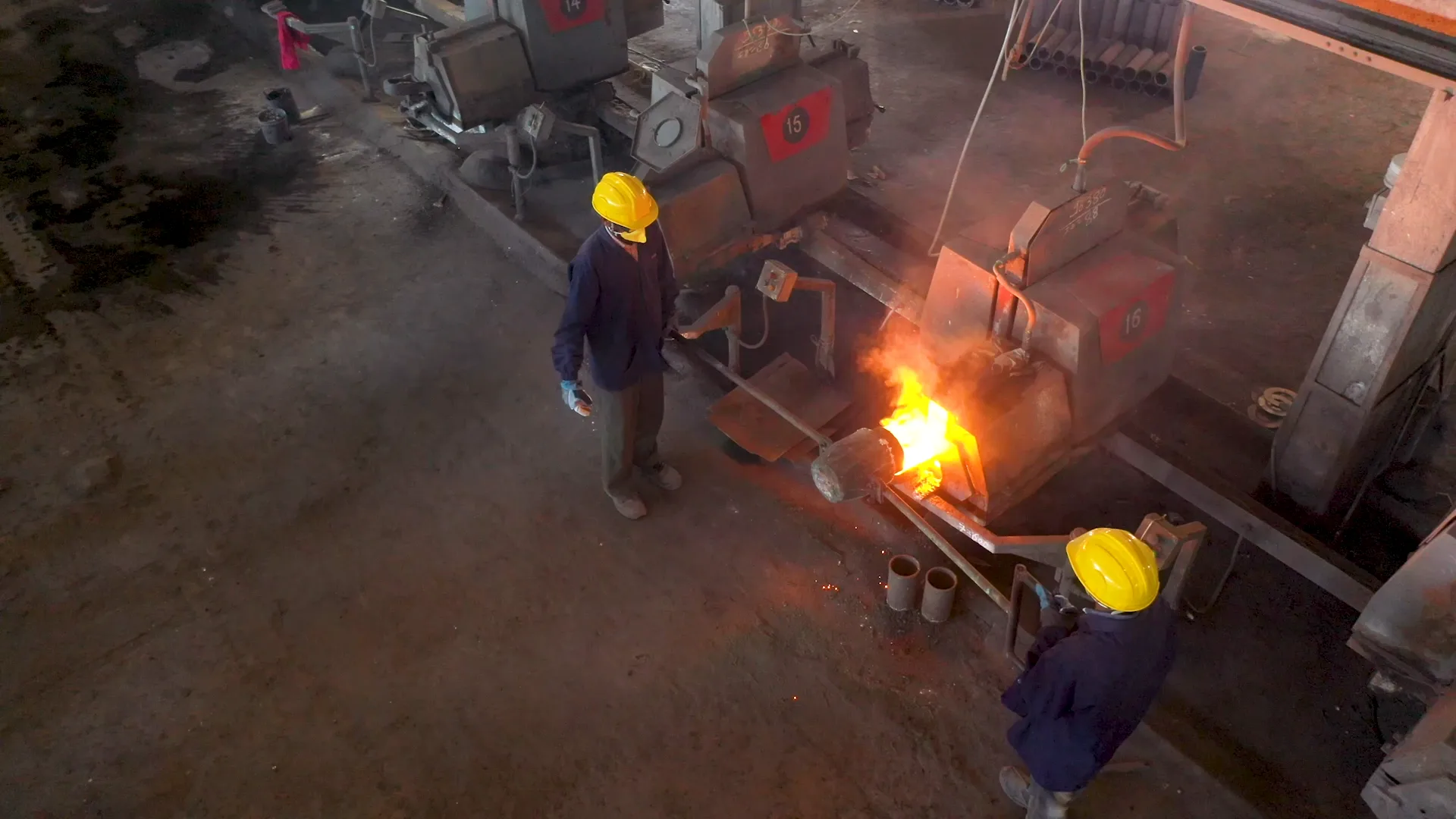
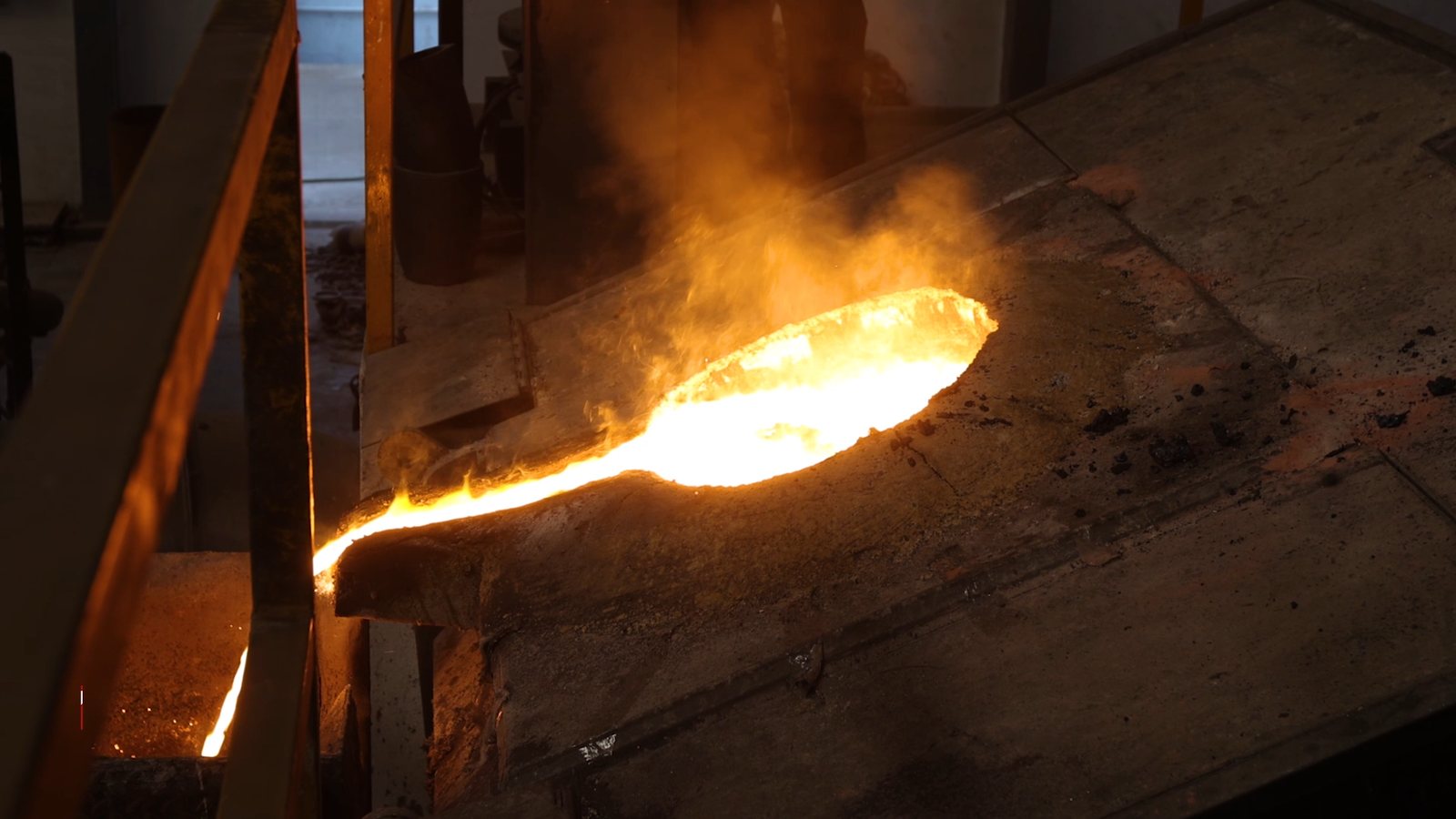
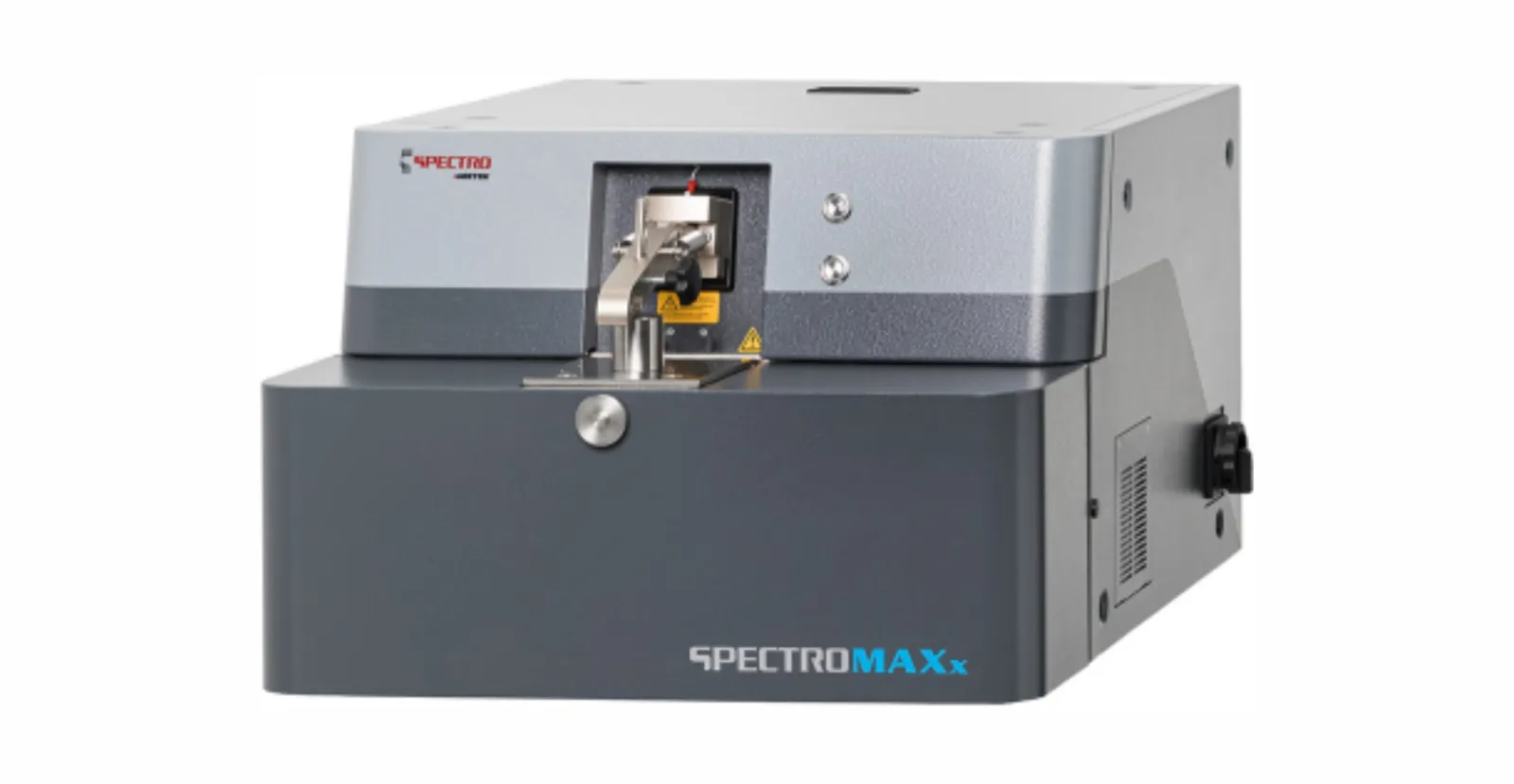
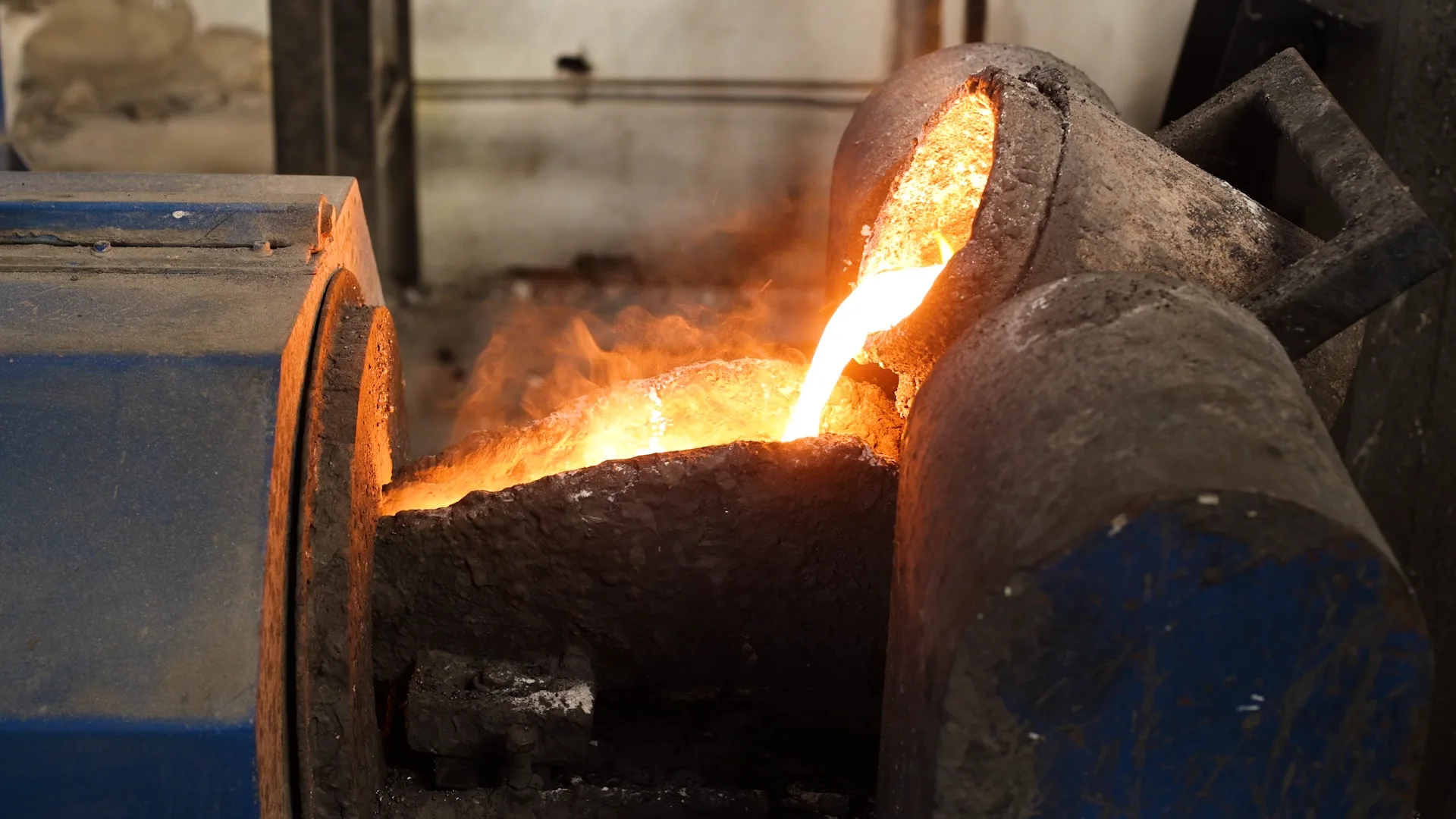
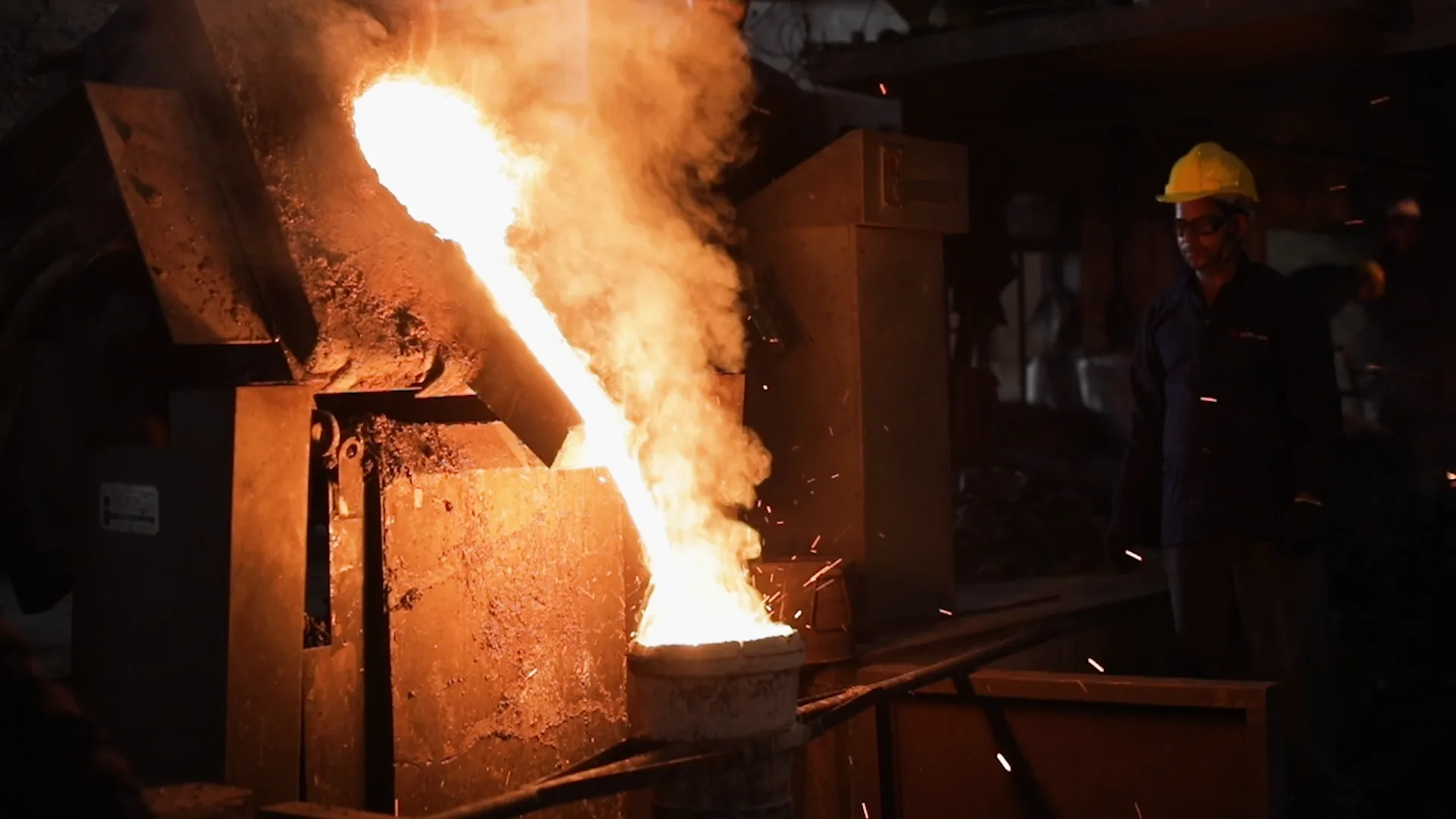
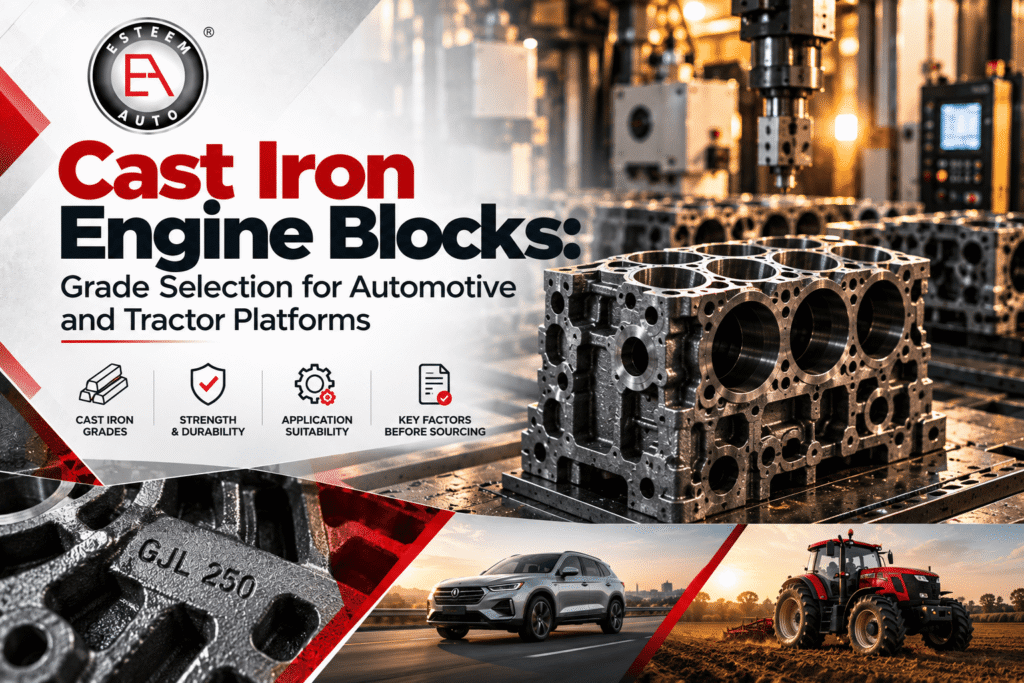
Every grey iron casting is poured to a stated grade, not a general description. We work to ASTM A48 Class 30, 35 and 40 for grey iron, and ASTM A536 grades 60-40-18 through 100-70-03 for ductile and SG iron casting. Composition is confirmed on a SPECTROMAXX spectrometer before pouring, from four induction furnaces of 300 kg, 500 kg and 900 kg dual-track.

Material certificates go out with the lot. If your drawing names a grade we cast to it; if it does not, we will tell you which grade the application calls for.

Centrifugal Casting, Shell Moulding and Green Sand Casting

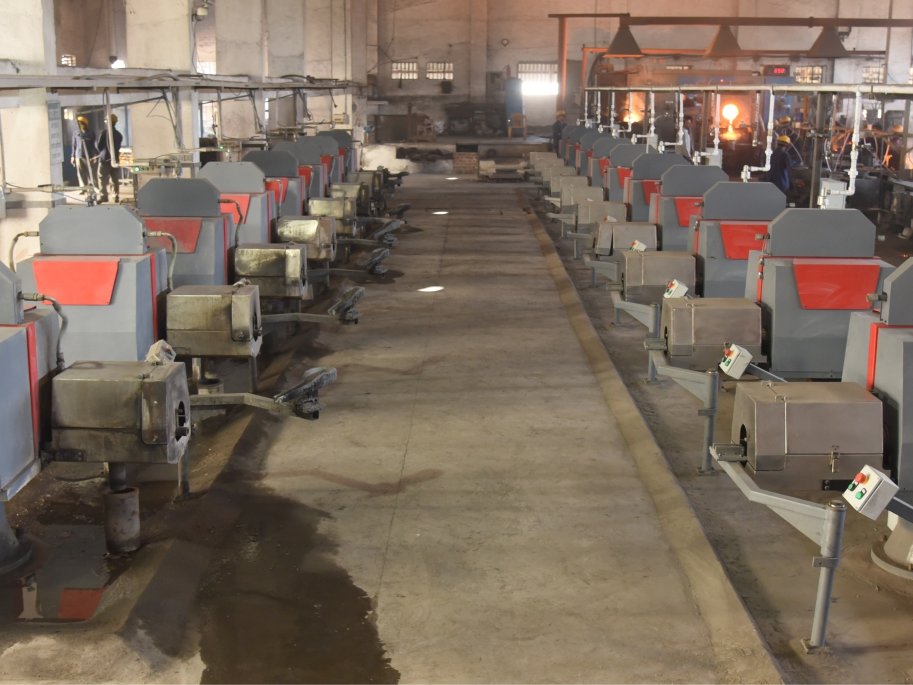
Cylinder liners are produced by horizontal centrifugal casting, spun into the die at 1,400–1,500 rpm. The rotation throws dense metal outward and drives inclusions to the inner surface, where they come off with the machining stock — which is why a centrifugally cast liner has a denser, cleaner wall than a statically poured one.

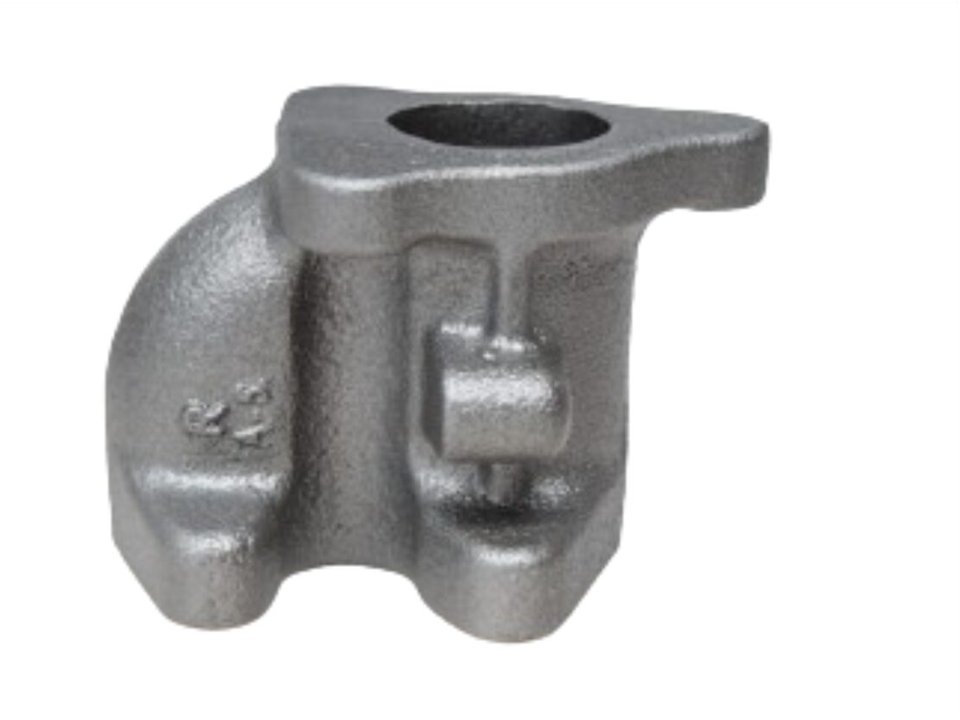
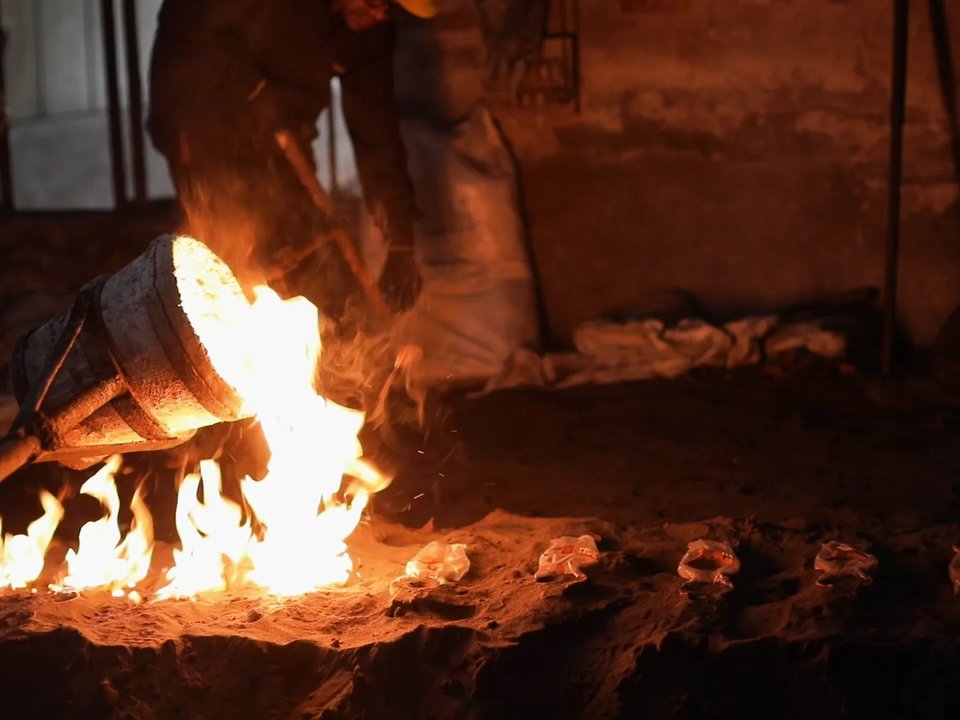
Shell mould casting and green sand casting run alongside for blocks and custom parts, in grey iron, ductile iron, steel and non-ferrous alloys including aluminium, bronze, brass and copper.

Wet and Dry Cylinder Liners, Air and Water Cooled Blocks

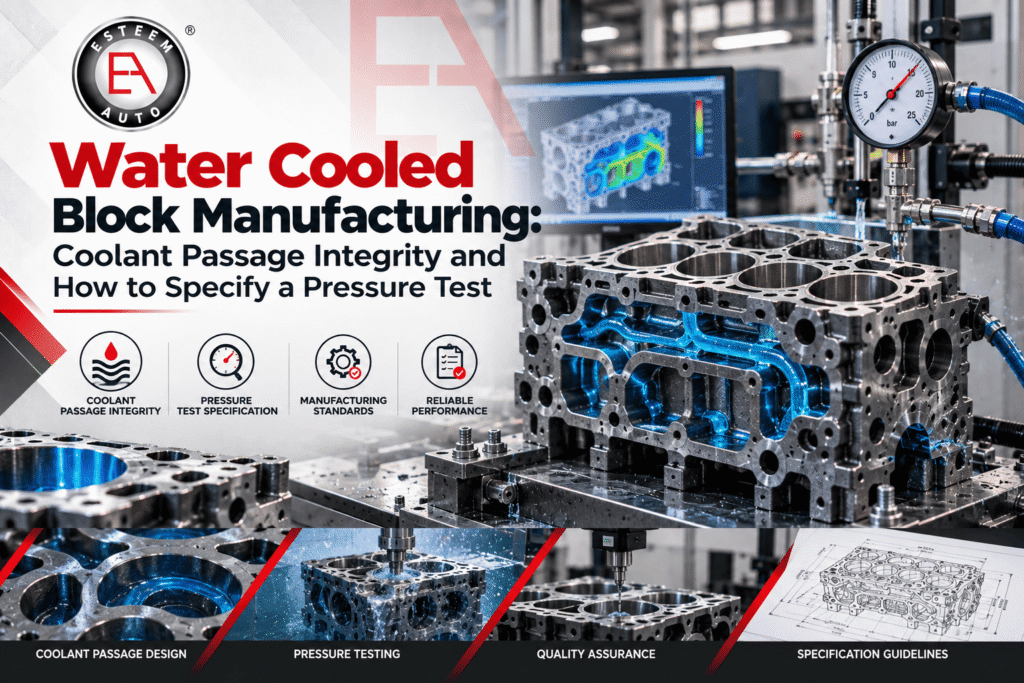
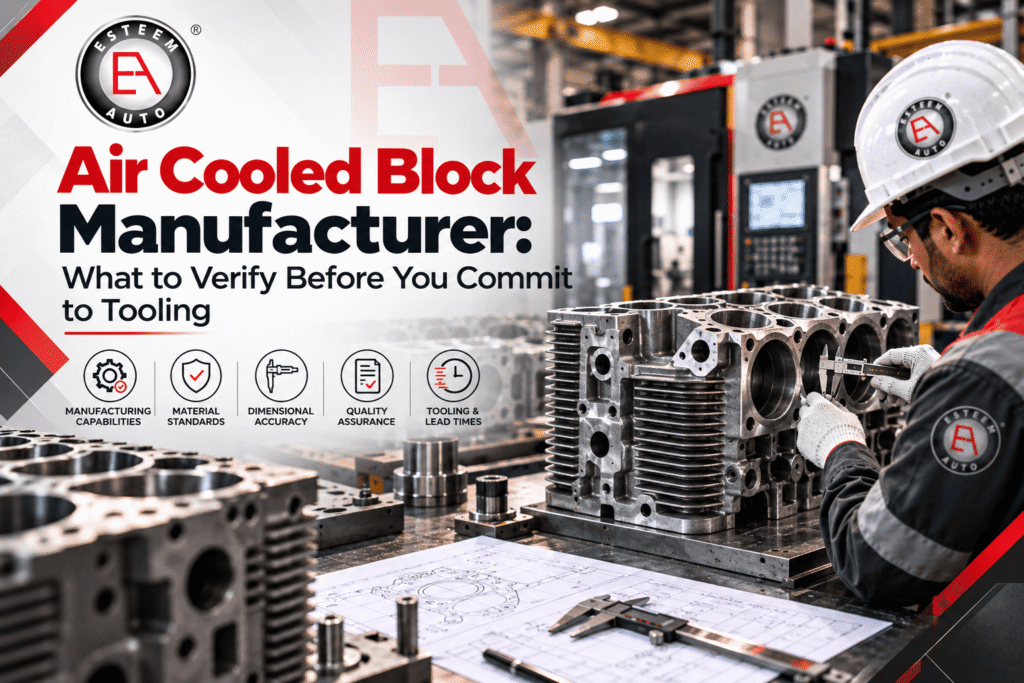
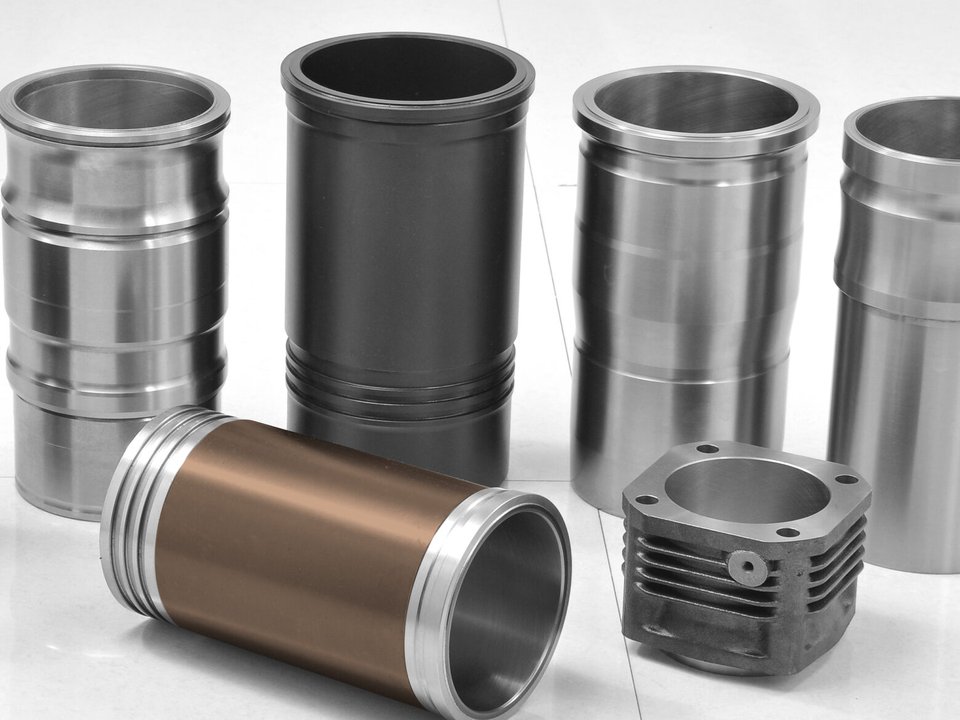
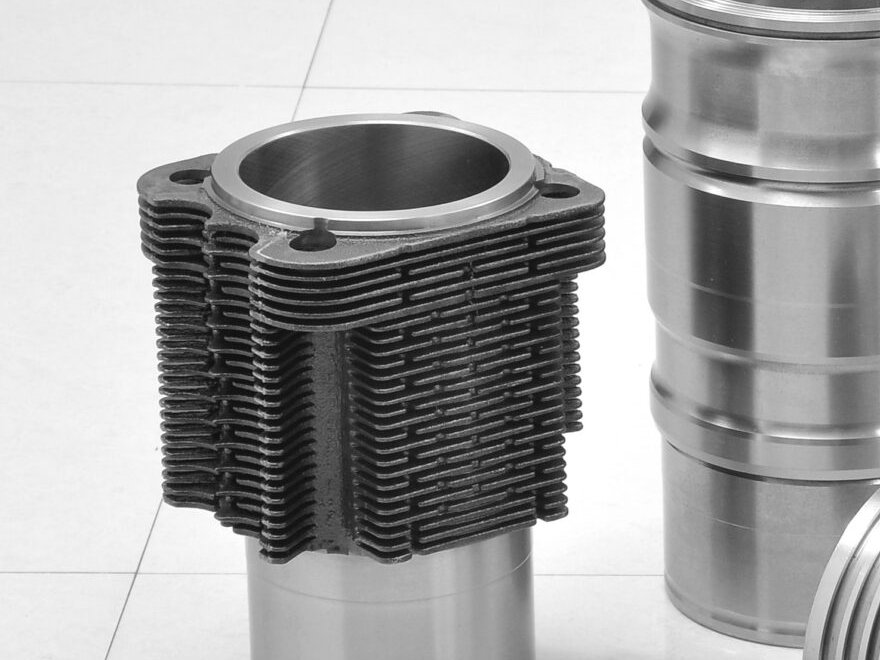
We manufacture wet cylinder liners and dry cylinder liners, cylinder sleeves, and both air cooled blocks and water cooled blocks — for diesel engine, tractor engine and industrial engine applications, in original and replacement specifications.
Precision CNC Machining and Honing

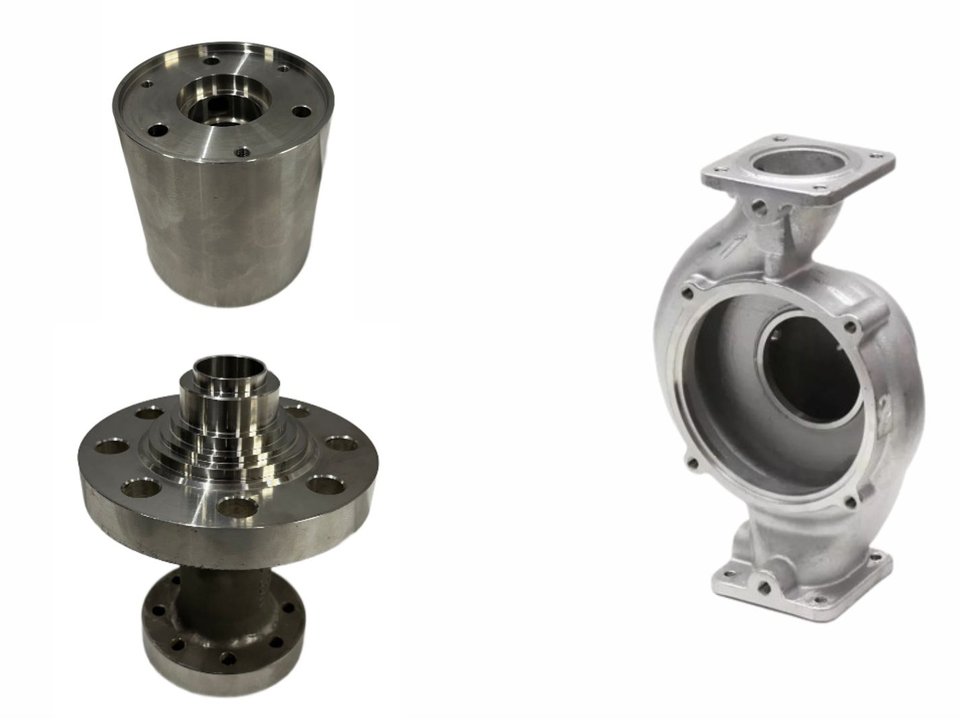
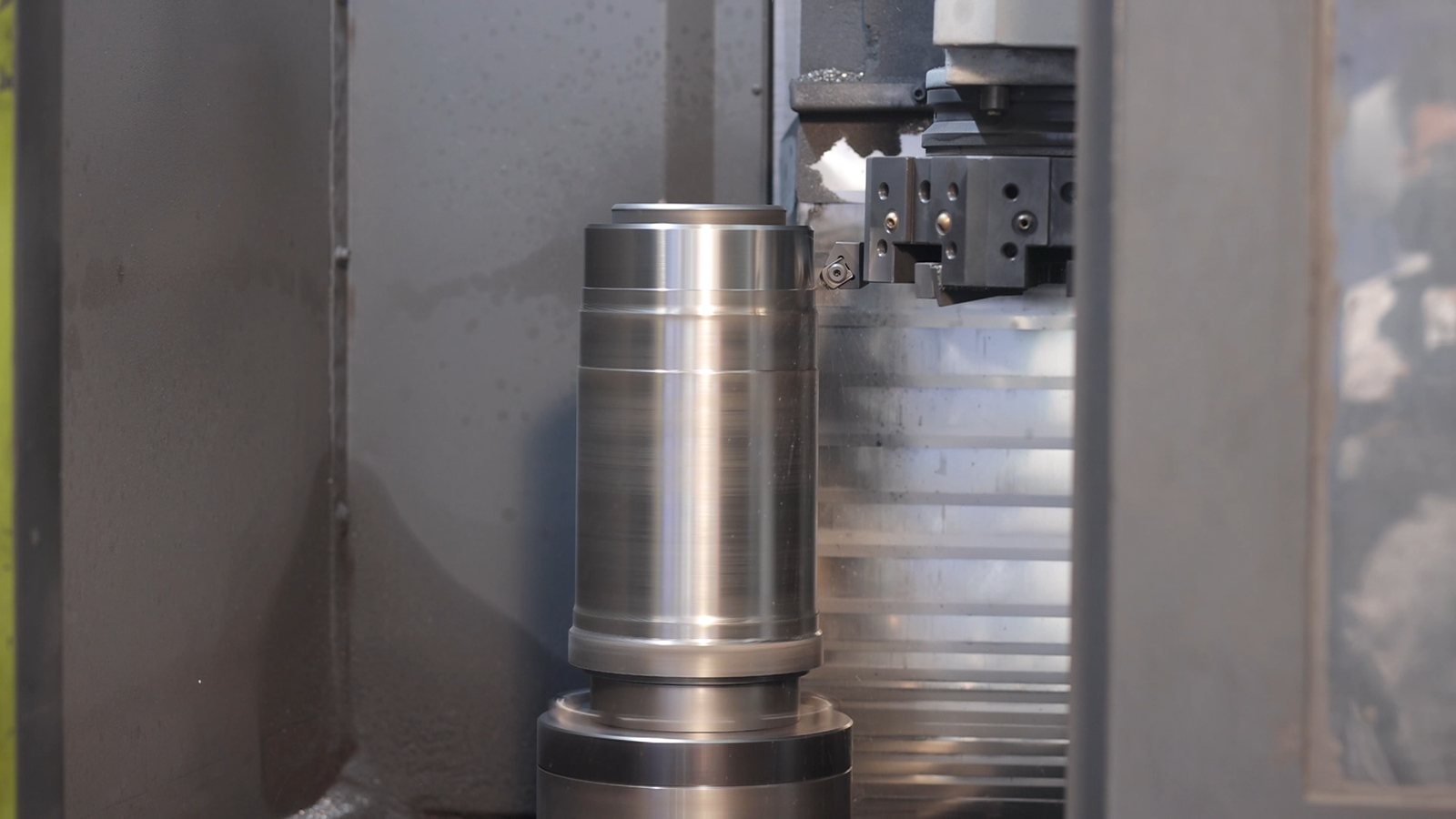
Machining runs on 5-axis HMCs, 4-axis rotary VMCs, CNC turning centres and purpose-built machines for vertical ID/OD work and final boring, gantry-loaded since 2022.

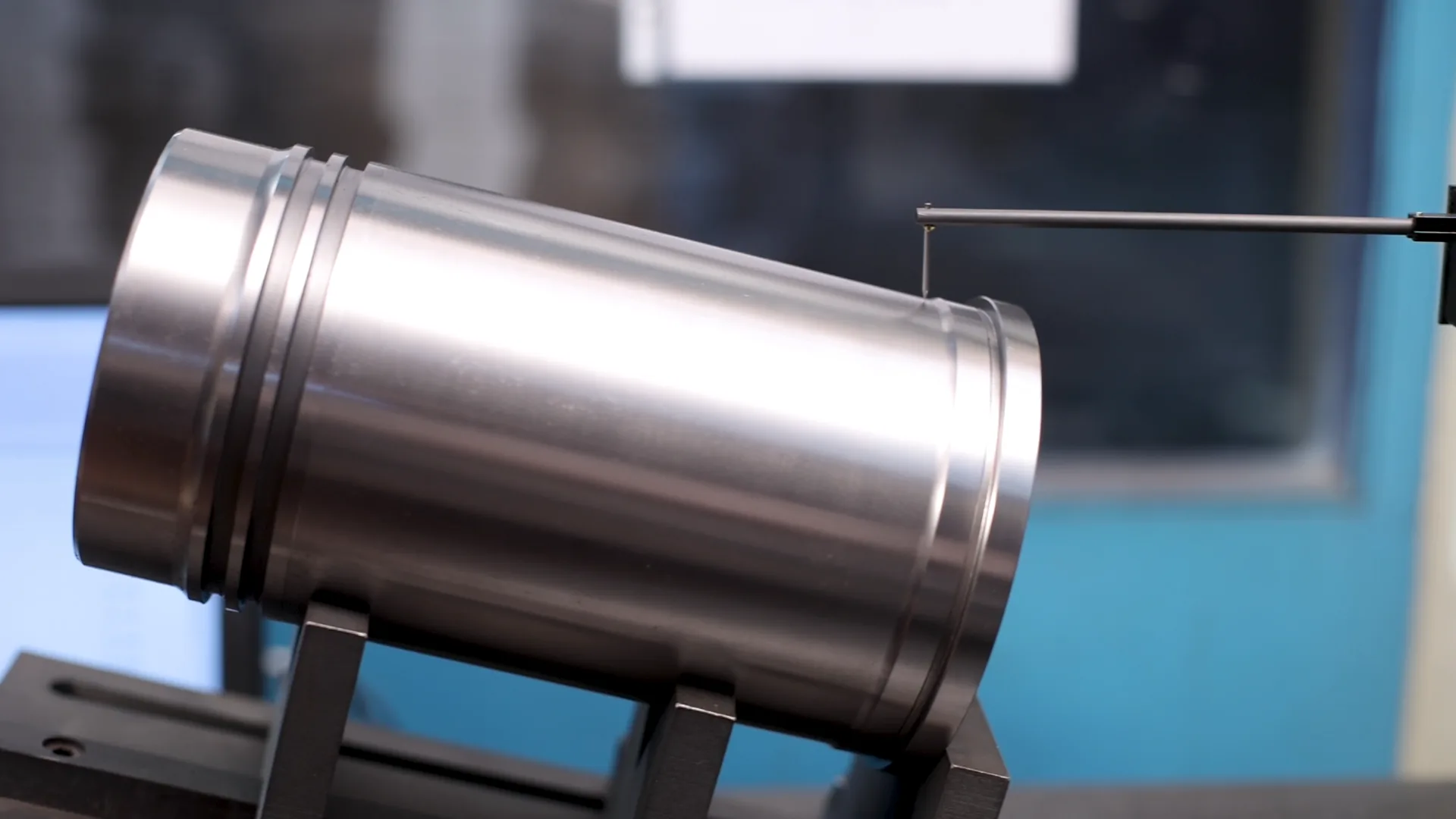
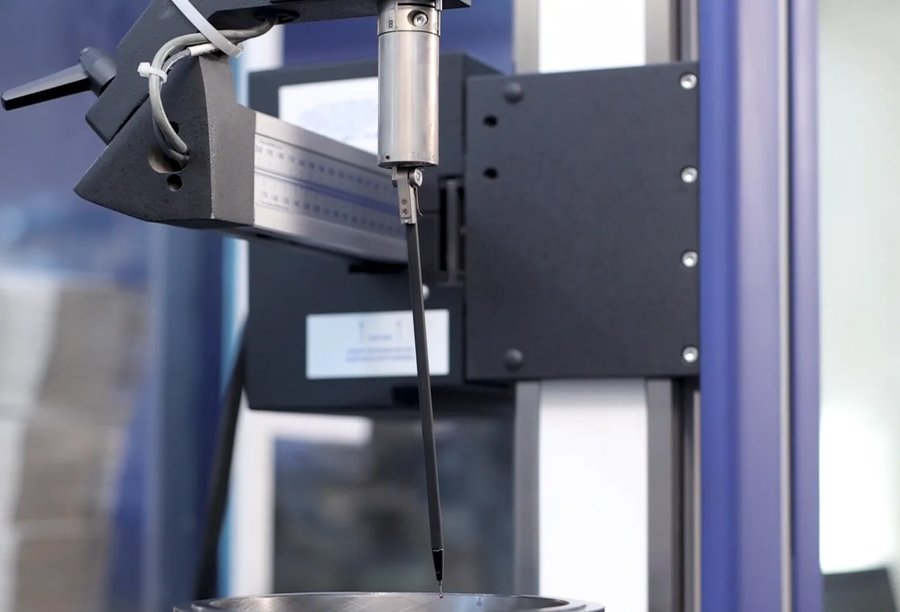
Every bore is plateau-honed, then measured on the parameters that predict how it will run: Rk for the load-bearing core, Rpk for the peaks that wear away during running-in, Rvk for the valleys that retain oil. Ra alone will not tell you whether a bore holds an oil film — which is why we do not stop at Ra.

Quality and Inspection

Our quality system is certified to IATF 16949:2016 — the standard an automotive OEM supplier audit is run against — alongside ISO 9001:2015, ISO 14001:2015 and ISO 45001:2018.

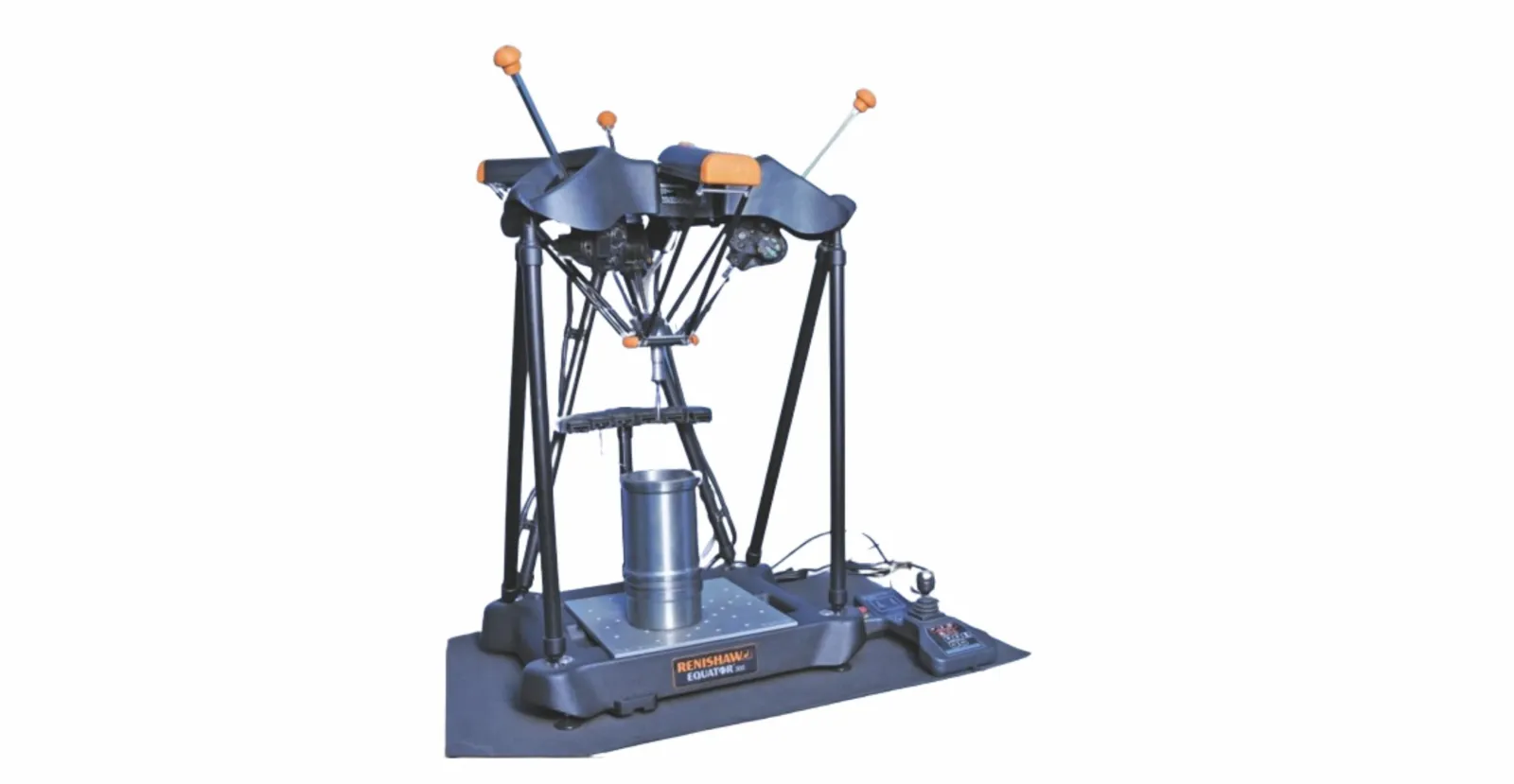
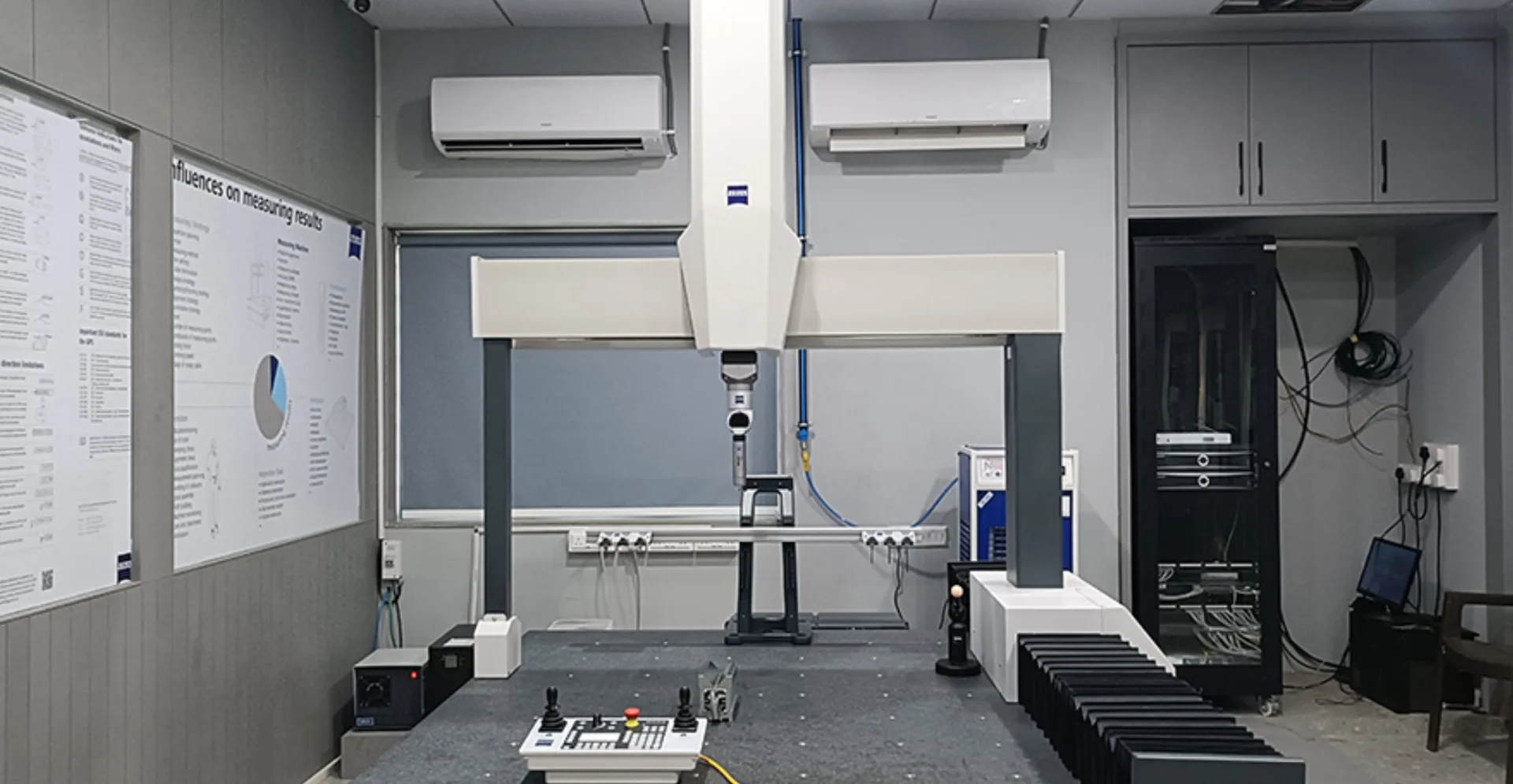
Inspection is instrumented, not visual: surface finish on a Taylor Hobson Talysurf-50, roundness on a Talyrond-565, dimensional repeatability on a Renishaw Equator to ±2 µm, geometry on a CMM, graphite flake type and distribution under microscope, hardness on a Micro Vickers, tensile strength on universal testing machines rated to 400 kN and 1,000 kN. Parts are ultrasonically cleaned and laser-marked, so any casting can be traced back to its heat.

Inspection reports are issued per lot, not on request.

Exporting Engine Components from India

Esteem Auto supplies buyers across six continents as a cylinder liner exporter and engine components supplier from India. New export customers follow the same route every time:
  1. Drawing and enquiry — you send the drawing or a sample; we confirm grade, process and feasibility
  2. Quotation — priced per piece against your volume, with tooling costs stated separately
  3. First article — samples produced and dimensionally reported before any series commitment
  4. Series supply — scheduled against your release, with material certificate and inspection report per lot

For distributors, we also produce under contract and private-label arrangements — your part number, your packaging, your brand.

Powered Largely by Our Own Generation

A 2.1 MW windmill covers 47% of the plant electricity and a 1 MW solar park a further 22% — close to seven-tenths of the energy in every casting we ship. For buyers reporting supply-chain emissions, that is a number we can put in writing.

Who You Are Buying From

Esteem Auto Limited is a public limited company (CIN U50401GJ2002PLC041393), run by the second and third generation of the founding family. Bhavesh Limbasiya leads as Managing Director with over 30 years in the business; Harsh Limbasiya, an industrial engineering graduate, heads quality, HR and shipping; Jatin Limbasiya advises the foundry with more than 20 years of foundry practice.

Send us a drawing, a sample, or an engine model. You will get back the grade, the process route, the inspection plan, tooling cost and a sample schedule.
Frequently Asked Questions

What is a cylinder liner and why does its material quality matter?

A cylinder liner (or cylinder sleeve) is the cylindrical lining inside an engine block that the piston moves within, so it directly affects compression, wear resistance, and engine life. Poor material quality leads to premature scoring, oil consumption, and early engine failure. As an IATF 16949 certified cylinder liner manufacturer, Esteem Auto controls metallurgy and wall thickness closely to meet OEM tolerance and durability requirements.

What is the difference between a wet cylinder liner and a dry cylinder liner?

A wet cylinder liner sits in direct contact with the engine's coolant, giving better heat dissipation but requiring precise sealing. A dry cylinder liner is pressed into the engine block and supported by surrounding metal, giving it more structural rigidity but slightly less cooling efficiency. Esteem Auto manufactures both wet and dry cylinder liners in grey iron and ductile iron to match specific engine platform requirements.

Which cylinder liner material grade is best for diesel and automotive engines?

Most diesel and automotive cylinder liners are made from grey cast iron, valued for its wear resistance, vibration damping, and machinability. Higher-load applications may need alloyed or centrifugally cast liners for greater hardness and dimensional stability. Esteem Auto produces cylinder liners through centrifugal casting, which improves grain structure and density compared to static casting methods, for automotive, tractor, and industrial engine applications.

What is the difference between grey iron casting and ductile iron casting?

Grey iron casting has a flake graphite structure that gives excellent vibration damping, machinability, and thermal conductivity, making it common for engine and brake components. Ductile (SG) iron casting has spheroidal graphite instead, giving it significantly higher tensile strength and impact resistance, so it suits load-bearing parts. Esteem Auto produces grey iron and ductile iron castings to standard grades including ASTM A48 and ASTM A536.

Does Esteem Auto manufacture non-ferrous castings as well as iron and steel?

Yes. Alongside grey iron, ductile iron, and steel castings, Esteem Auto produces non-ferrous castings in aluminium, bronze, brass, and copper for applications such as pumps, valves, and electrical components. Non-ferrous alloys are typically chosen for corrosion resistance, lighter weight, or conductivity, and are cast in-house under the same process control and inspection standards applied to our ferrous castings.

What casting processes does Esteem Auto use to manufacture parts?

Esteem Auto runs four casting processes in-house: centrifugal casting for cylinder liners, green sand casting for general and machinery components, shell mould casting for tighter dimensional tolerance, and investment casting for complex, precision geometries. Producing all four in-house lets us match the right process to each part's tolerance, volume, and material requirements instead of offering only a single fixed casting method.

What is the difference between centrifugal casting and sand casting?

In centrifugal casting, molten metal is poured into a rotating mould, and centrifugal force pushes it outward, producing a denser, cleaner grain structure with fewer internal defects — ideal for cylindrical parts like cylinder liners. Sand casting uses a static mould packed from sand, making it more flexible and economical for complex shapes but generally less dense. Esteem Auto operates both processes for different part requirements.

What is investment casting and how is it different from shell mould casting?

Investment casting (lost-wax casting) uses a wax pattern coated in ceramic to produce highly precise, complex-geometry parts with a smooth surface finish, though cycle times run longer. Shell mould casting uses resin-coated sand for the mould, offering good dimensional accuracy with faster production and less manpower. Esteem Auto runs both processes in-house, selecting the method based on part complexity, tolerance, and order volume.

Is Esteem Auto an IATF 16949 certified casting manufacturer?

Yes. Esteem Auto Limited is certified to IATF 16949:2016, the automotive industry's quality management standard, alongside ISO 9001:2015, ISO 14001:2015, and ISO 45001:2018. Together these certifications confirm audited process control, environmental management, and workplace safety systems — the documentation most global automotive and industrial OEMs require before qualifying a new casting supplier.

What quality checks does Esteem Auto perform on castings before dispatch?

Every casting is checked using dedicated metrology equipment, including a CMM (Coordinate Measuring Machine), spectrometer for material composition, Talyrond roundness tester, and Renishaw Equator gauging, alongside hardness and roughness testers. This inspection covers dimensional accuracy, surface finish, and metallurgical composition against the customer's drawing before any part is approved for shipment, supporting our IATF 16949 quality management system.

Can Esteem Auto provide CNC machining along with casting?

Yes. Esteem Auto operates an in-house machine shop with 5-axis HMC and VMC machining centers, CNC turning, honing, and centerless grinding, so castings can be finish-machined to final dimensions under one roof. Combining casting and machining in-house reduces handling between vendors, shortens the supply chain, and keeps dimensional accuracy consistent from raw casting through to the finished component.

Does Esteem Auto manufacture custom or OEM casting parts to customer drawings?

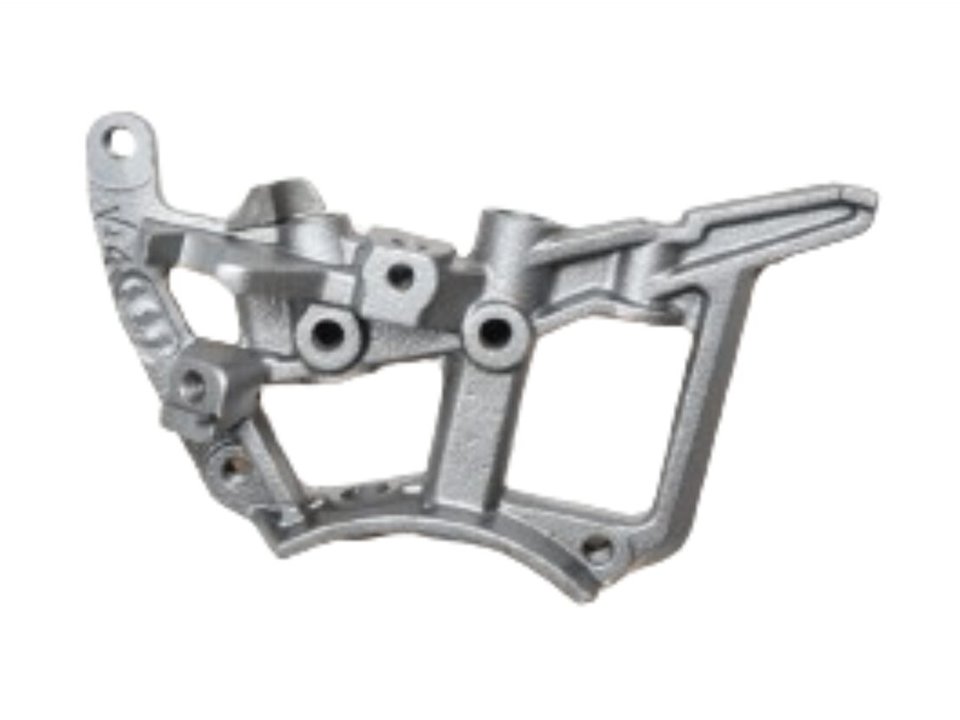
Yes. Esteem Auto works as an OEM and custom casting manufacturer, producing parts to customer-supplied drawings and specifications across grey iron, ductile iron, steel, and non-ferrous materials. Our engineering team reviews part geometry and tolerances to recommend the most suitable casting process, and in-house machining and testing mean custom parts are validated before they ever leave the facility.

Which industries does Esteem Auto supply castings to?

Esteem Auto primarily serves the automotive industry, along with aerospace, oil and gas, and general industrial machinery sectors. Typical applications include cylinder liners and engine components, brake and valve parts, and precision machined components for OEM assemblies. Our combination of multiple casting processes and in-house machining lets us support both high-volume automotive parts and lower-volume industrial or precision components.

Where is Esteem Auto located, and does it export castings internationally?

Esteem Auto Limited is headquartered at Metoda GIDC in Rajkot, Gujarat, India, with an additional office in Princeton Junction, New Jersey, USA. The company exports castings and machined components to multiple countries, with a dedicated export inquiries team handling international OEM orders. This dual India-US presence supports both domestic and global automotive and industrial customers.

What is the minimum order quantity or lead time for a custom casting order?

Minimum order quantity and lead time depend on the casting process, part complexity, tooling requirements, and material grade, so they vary project to project rather than following one fixed number. Esteem Auto's in-house pattern-making, multiple furnace lines, and combined casting-and-machining capability help keep turnaround competitive. Share your drawing or specification with our team directly for an accurate, project-specific quote.

Scroll to Top